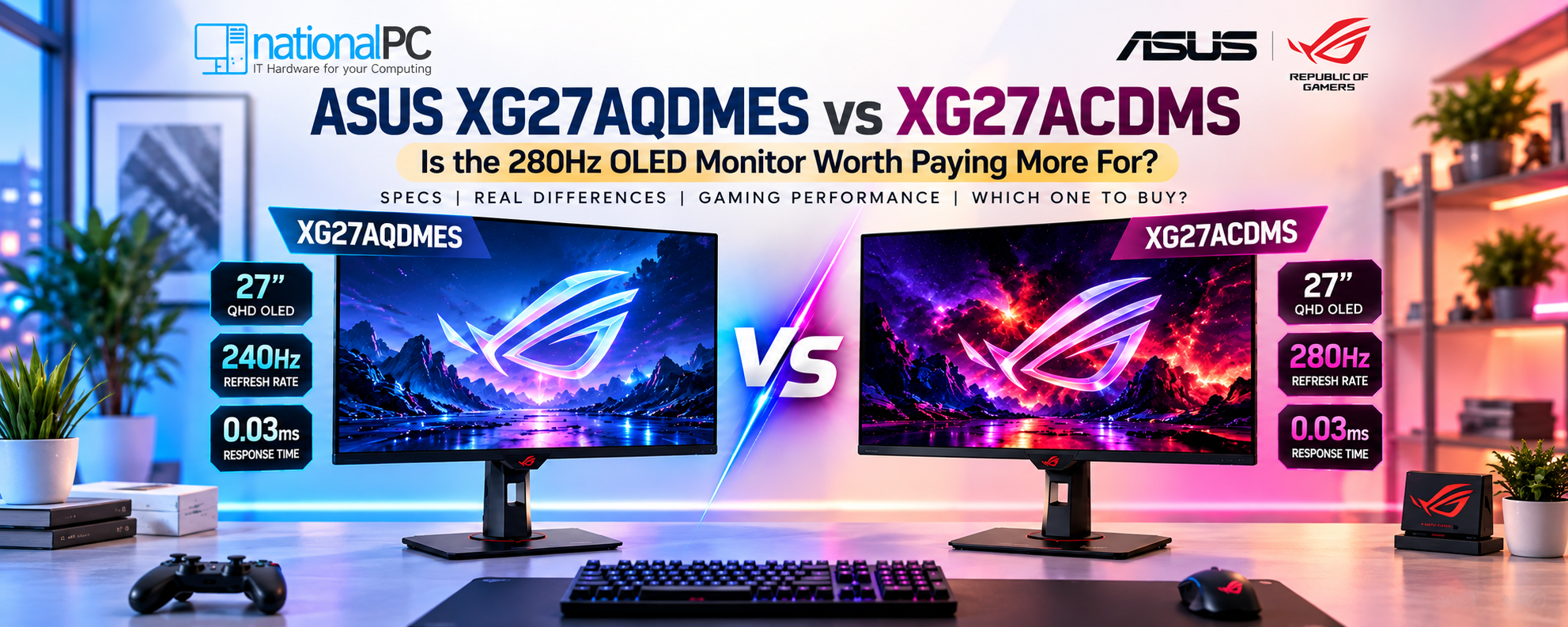
ASUS XG27AQDMES vs XG27ACDMS: Is the 280Hz OLED Monitor Worth Paying More For?
ASUS XG27AQDMES vs XG27ACDMS: Is the 280Hz OLED Monitor Worth Paying More For?
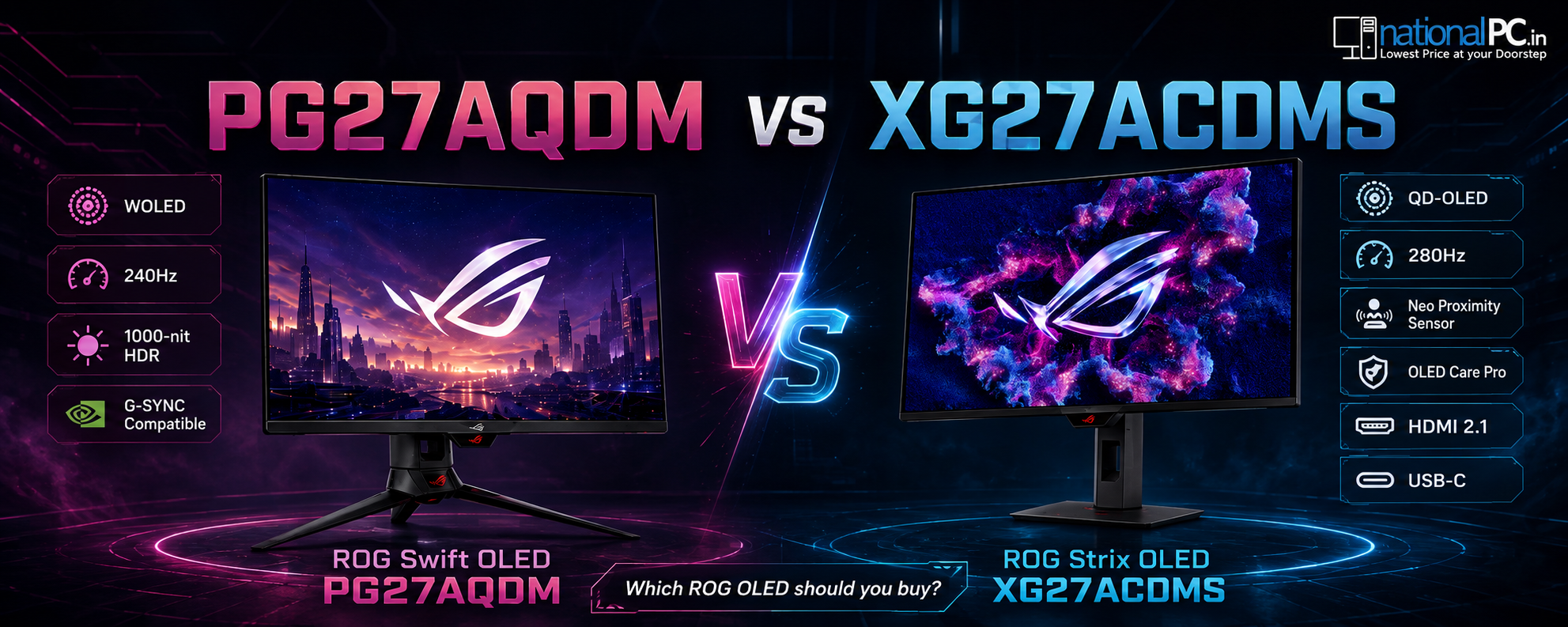
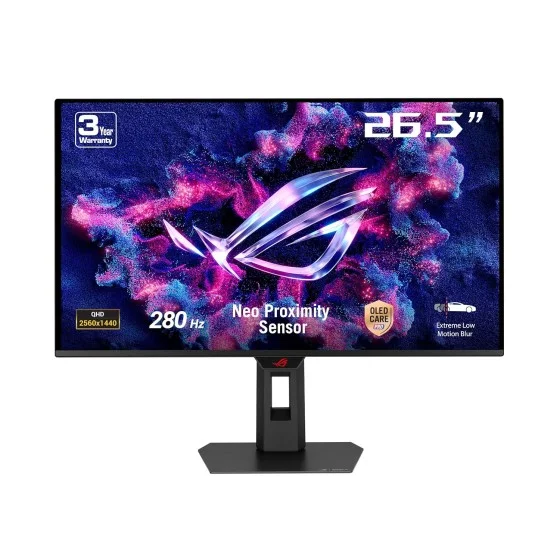
Both are 27-inch-class QHD QD-OLED gaming monitors, but the ₹10,000 price gap is not only about 240Hz vs 280Hz. The XG27ACDMS adds a brighter HDR ceiling and USB-C video connectivity, while the XG27AQDMES keeps the core OLED gaming experience at a lower price and gives you two HDMI 2.1 inputs.
Prices shown are the NationalPC listed prices checked for this article on 24 September 2026. Pricing and stock can change after publication.
Choose XG27AQDMES if...
You want the core QHD QD-OLED experience, 240Hz is already more than enough for your GPU and games, you normally play in a controlled or darker room, or you would rather save ₹10,000. Its two HDMI 2.1 ports are also useful for multi-device setups.
Choose XG27ACDMS if...
You specifically want 280Hz, the higher 1,000-nit listed HDR peak, or USB-C with DisplayPort Alt Mode and 15W Power Delivery. These differences are more meaningful than the 40Hz refresh-rate increase alone.
Table of Contents
Quick Answer: XG27AQDMES vs XG27ACDMS
For this ASUS 27 inch QD-OLED monitor comparison, the cheaper XG27AQDMES is the more rational choice for most gamers because both monitors already share the fundamentals: 2560×1440 QHD resolution, QD-OLED technology, 0.03ms GTG response, 99% DCI-P3 color, 10-bit output, OLED Care Pro, Neo Proximity Sensor, Adaptive-Sync/G-SYNC compatibility and a three-year OLED burn-in warranty.
The XG27ACDMS earns its premium through a combination of 280Hz refresh, higher listed brightness, stronger HDR headroom and USB-C DisplayPort Alt Mode with 15W PD. If those extras matter to your setup, the extra ₹10,000 is easier to justify. If you only care about moving from 240Hz to 280Hz, the improvement is much smaller.
Specs and Current Price Comparison in India
| Feature | XG27AQDMES | XG27ACDMS | Why It Matters |
|---|---|---|---|
| NationalPC price at publication | ₹54,990 | ₹64,990 | ₹10,000 price gap |
| Panel / resolution | 26.5" QD-OLED / 2560×1440 | 26.5" QD-OLED / 2560×1440 | Same core display format |
| Max refresh rate | 240Hz | 280Hz | ACDMS is 16.7% higher on paper |
| Frame interval | ≈ 4.17ms | ≈ 3.57ms | Only ≈ 0.60ms difference |
| Response time | 0.03ms GTG | 0.03ms GTG | Equal specification |
| Typical brightness | 200 cd/m² | 250 cd/m² | ACDMS has more headroom |
| ASUS-listed HDR peak | 400 cd/m² | 1,000 cd/m² | Largest quality difference for HDR highlights |
| Color | 99% DCI-P3 / true 10-bit / ΔE<2 | 99% DCI-P3 / true 10-bit / ΔE≤2 | Very similar listed color capability |
| HDMI | 2 × HDMI 2.1 | 1 × HDMI 2.1 | AQDMES is better for two HDMI sources |
| USB-C video | No DP Alt Mode listed | USB-C DP Alt Mode + 15W PD | ACDMS is more flexible for laptop/device video |
| OLED protection | OLED Care Pro + Neo Proximity Sensor | OLED Care Pro + Neo Proximity Sensor | Strong protection features on both |
| Warranty | 3 years incl. burn-in | 3 years incl. burn-in | Same ASUS-listed coverage |
Will Most Gamers Notice 240Hz vs 280Hz on OLED?
The jump from 240Hz to 280Hz sounds substantial on a spec sheet, but the actual frame-time difference is small. A 240Hz display refreshes roughly every 4.17ms; at 280Hz that falls to about 3.57ms. That is only around 0.60ms between refresh opportunities.
For most players, the difference will be subtler than moving from 144Hz or 165Hz to 240Hz. Competitive players with a high-end GPU and games running well above 240 fps can benefit more, but the 240Hz vs 280Hz OLED gaming monitor question should not be decided on refresh rate alone.
The Bigger Difference: HDR Brightness
ASUS lists the XG27AQDMES at 200 cd/m² typical brightness and 400 cd/m² HDR peak. The XG27ACDMS is listed at 250 cd/m² typical and 1,000 cd/m² HDR peak. That does not mean every HDR scene stays at 1,000 nits, but it gives the 280Hz model significantly more headroom for small HDR highlights.
Independent community testing of the XG27AQDMES also identifies HDR brightness as its clearest limitation while praising its OLED black levels, pixel response and color. In other words, paying more for the XG27ACDMS is easier to justify for HDR enthusiasts than for someone chasing only 40 extra hertz.
XG27AQDMES
Excellent OLED contrast and motion clarity, but the 400-nit listed HDR peak is the more obvious compromise behind its lower price.
XG27ACDMS
A stronger choice for users who want brighter HDR highlights while keeping the same QHD QD-OLED format.
Connectivity and Feature Differences Beyond Refresh Rate
The higher-priced model does not simply add ports—it changes the mix of ports. That matters depending on whether your desk is PC-only, laptop-focused or shared with multiple consoles.
XG27AQDMES Connectivity
- 1 × DisplayPort 1.4 DSC
- 2 × HDMI 2.1
- Earphone jack
- No ASUS-listed USB-C DP Alt Mode / charging
Best fit: desktop PC plus two HDMI devices such as consoles or another source.
XG27ACDMS Connectivity
- 1 × DisplayPort 1.4 DSC
- 1 × HDMI 2.1
- 1 × USB-C with DP Alt Mode
- 15W USB-C Power Delivery
- Earphone jack
Best fit: PC gamers who also want a convenient USB-C video input for a compatible laptop or device.
Both retain the features that matter most for long-term OLED use: OLED Care Pro, Neo Proximity Sensor, Uniform Brightness, Display Widget Center, Adaptive-Sync and a three-year warranty including panel burn-in.
Real Buyer Feedback: What Owners Actually Mention
This section uses external customer/owner feedback rather than invented testimonials. Ratings from different stores are not directly comparable because the sample sizes and review systems differ.
Strong value, smooth QHD OLED gaming
Paradigit shows two customer reviews for the XG27AQDMES, including one review via Trusted Shops. The feedback highlights sharp QHD image quality, smooth gaming, solid design and good value, with one buyer also noting that some settings benefit from adjustment.
Recent owner/community discussion is also positive about the jump from IPS to OLED and the 240Hz motion clarity, while HDR brightness is the most common caution.
View buyer reviews source →Large review base, strong color and refresh feedback
Best Buy's XG27ACDMS review page shows 4.8/5 from 307 reviews, with 97% saying they would recommend it. The most frequent positive themes are color quality, refresh rate and HDR performance.
Individual verified-purchase comments often mention the jump from LCD/IPS to OLED, deep blacks, responsiveness and smooth competitive gaming. Some buyers also note that OLED setup and personal picture preferences can require a little tuning.
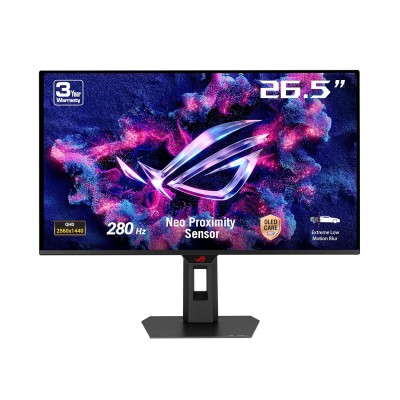
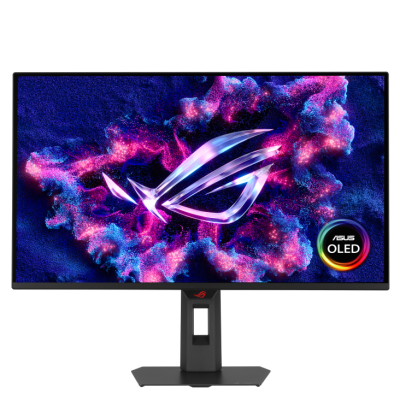
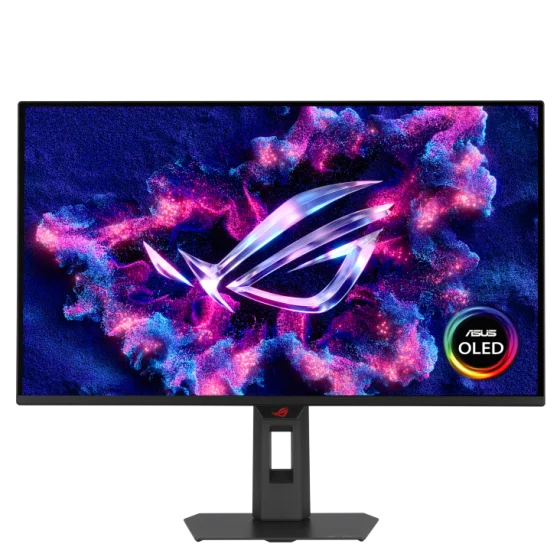
View buyer reviews source →XG27AQDMES and XG27ACDMS Product Images
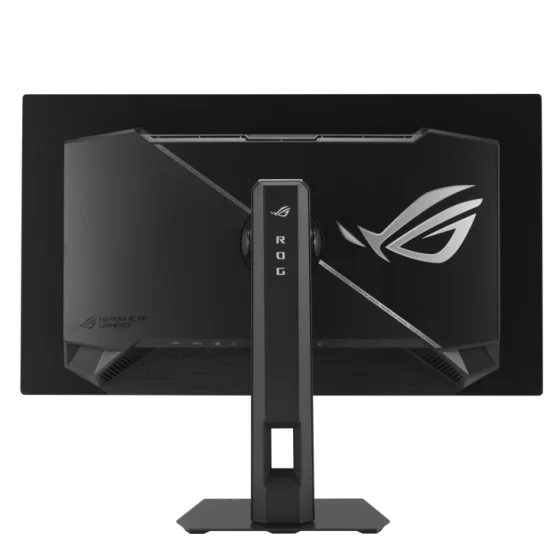
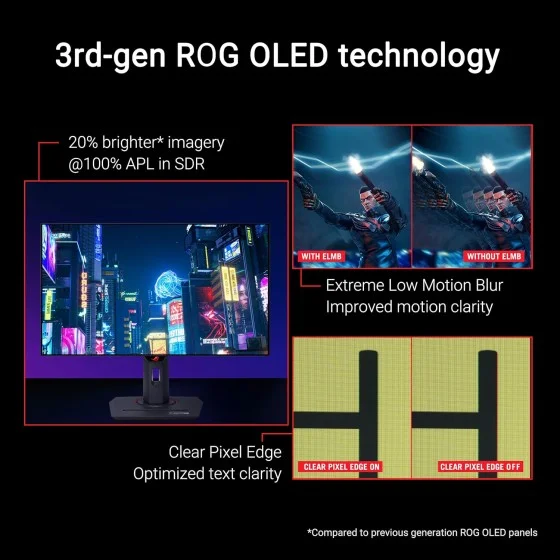
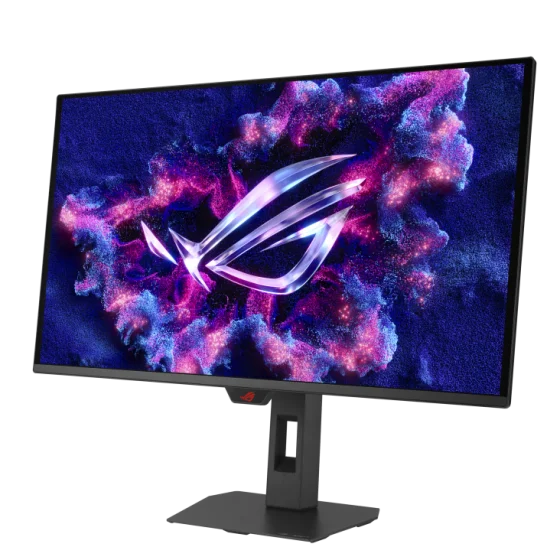
Final Recommendation Based on the ₹10,000 Price Gap
At the publication prices of ₹54,990 for XG27AQDMES and ₹64,990 for XG27ACDMS, the question is not really “Is 280Hz worth ₹10,000 more?” The better question is whether you value the entire premium package: brighter HDR capability, 280Hz and USB-C video connectivity.
Buy XG27AQDMES for value
For most gamers, 240Hz QD-OLED is already extremely fast. If HDR peak brightness is not your priority and you do not need USB-C video, saving ₹10,000 makes sense. It is particularly attractive for dark-room gaming and mixed PC/console setups that benefit from two HDMI 2.1 inputs.
Buy XG27ACDMS for the complete upgrade
The extra ₹10,000 is easier to defend when you want stronger HDR highlights, play esports titles at very high frame rates, or will actually use USB-C DP Alt Mode. Those advantages go beyond the refresh-rate number.
Current NationalPC listing note: XG27ACDMS was shown as a pre-booking / exclusive product with dispatch after 05-10-2026 when this article was prepared. Recheck the product page for current stock before ordering.
FAQ – XG27AQDMES vs XG27ACDMS
Which ASUS OLED gaming monitor should I buy?
Choose XG27AQDMES when price and value matter most. Choose XG27ACDMS when you want higher HDR brightness, 280Hz and USB-C video input.
Is 280Hz much better than 240Hz?
The difference exists, but it is relatively small: roughly 4.17ms per refresh at 240Hz versus 3.57ms at 280Hz. Competitive gamers with very high frame rates are more likely to notice it than casual or AAA players.
Which model is better for HDR gaming?
On ASUS's listed specifications, XG27ACDMS has the stronger HDR brightness ceiling at 1,000 cd/m² peak versus 400 cd/m² on XG27AQDMES.
Which model has better connectivity?
It depends on your devices. XG27AQDMES has two HDMI 2.1 inputs. XG27ACDMS has one HDMI 2.1 plus USB-C with DP Alt Mode and 15W Power Delivery.
What is the current XG27AQDMES and XG27ACDMS price in India?
At publication on 24 September 2026, NationalPC listed XG27AQDMES at ₹54,990 and XG27ACDMS at ₹64,990, a ₹10,000 gap. Check the live product pages because prices can change.